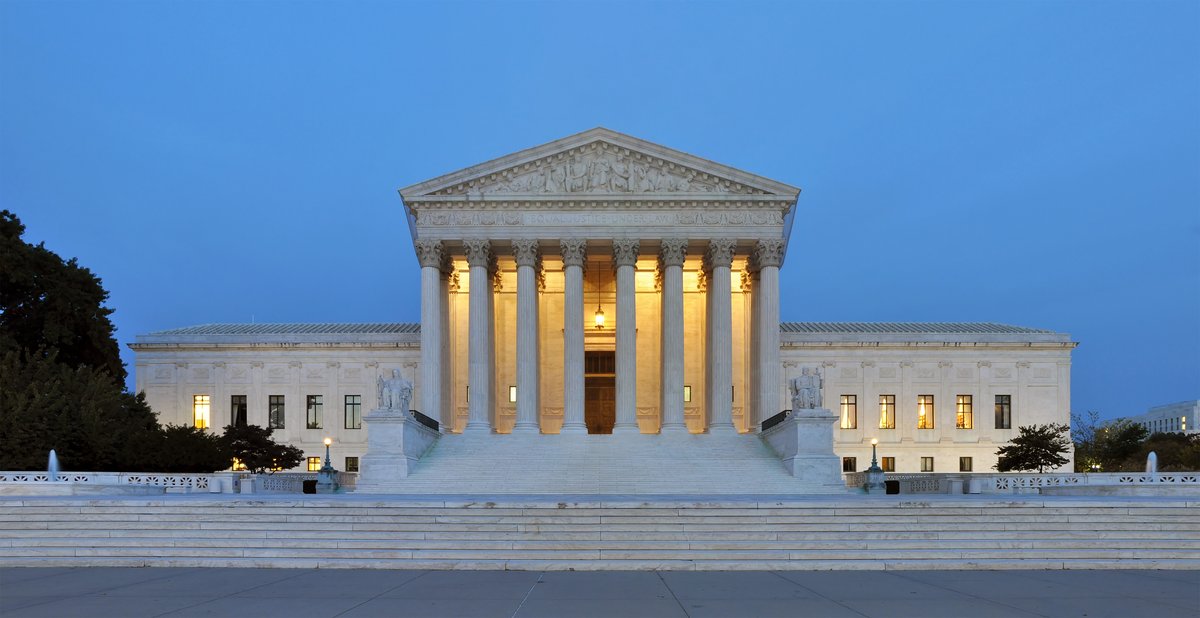

On June 30, 2026, the Supreme Court settled a question most Americans thought had been settled in 1898: children born in the United States are citizens of the United States, even if their parents are in the country unlawfully or only temporarily. The 6–3 decision in Trump v. Barbara struck down Executive Order 14160, the day-one order that had been blocked in every courtroom it entered for seventeen months. Six weeks later, the White House answered with two new, narrower executive orders aimed at the same guarantee. This article lays out the ruling, the road that led to it, how each side of the political spectrum reads it, and what happens next.
What the Court Held
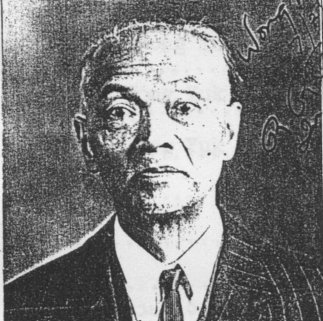
Chief Justice Roberts wrote for a five-justice majority — joined by Justices Sotomayor, Kagan, Barrett, and Jackson — holding that children of parents who are undocumented or temporarily present “satisfy both elements of the Citizenship Clause” of the Fourteenth Amendment and “are citizens at birth.” The opinion traces the clause from English common law through the Reconstruction Congress's repudiation of Dred Scott and the Court's 1898 ruling in United States v. Wong Kim Ark, quoting Sen. Lyman Trumbull's 1866 description of the amendment's promise to “every free-born person in this land.”
Justice Kavanaugh supplied the sixth vote, concurring only in the judgment: the order violated a federal statute, he wrote, and the Court should not have reached the constitutional question — a concurrence that pointedly leaves Congress room to legislate. Justice Jackson, joined by Justice Sotomayor, concurred separately to argue the Fourteenth Amendment was a broader strike against caste, not merely a remedy for slavery. Three justices dissented: Thomas (joined by Gorsuch) argued “subject to the jurisdiction thereof” historically required parental domicile; Alito argued the clause requires exclusive allegiance; Gorsuch added that he doubted citizenship could be denied even to children of long-settled undocumented parents.
How We Got Here

The order that reached the Court was never a hypothetical threat — it was an order the courts refused to let operate for a single day. The chronology matters, because each defeat produced a smaller target rather than a new theory:
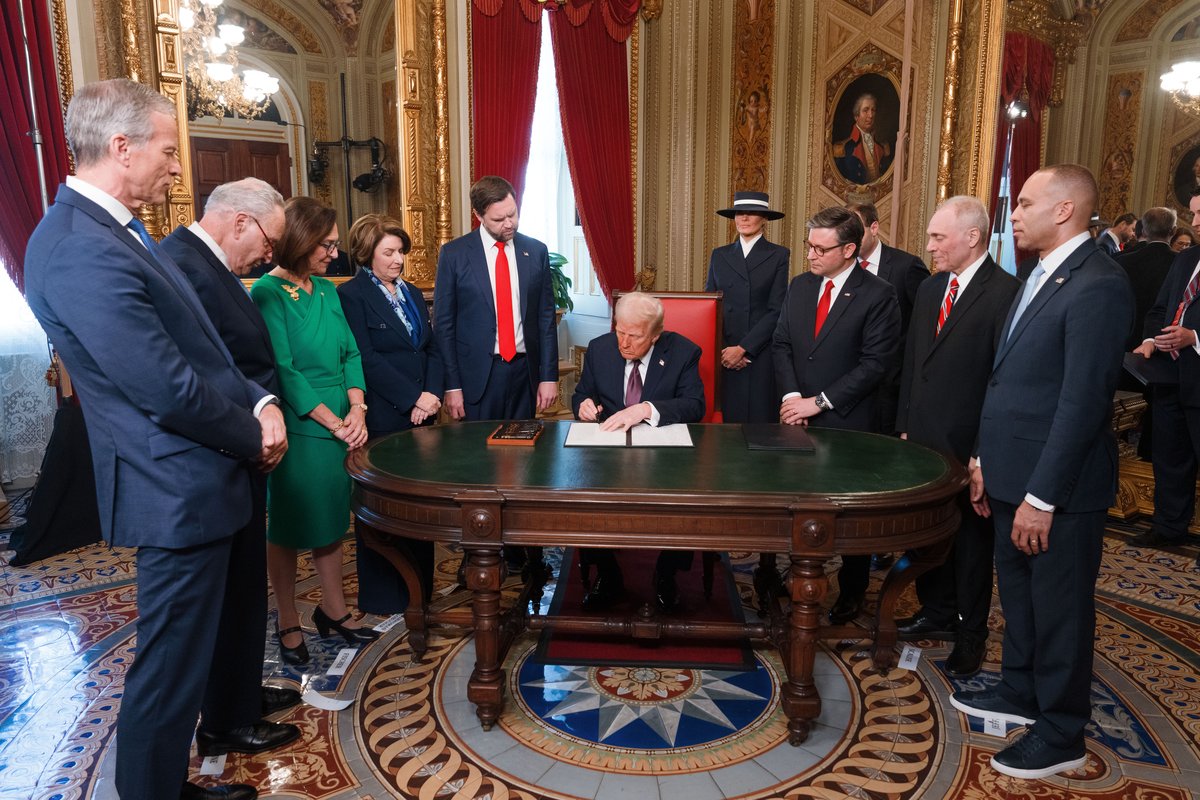
- Jan 20, 2025 — Hours after taking the oath, President Trump signs EO 14160, “Protecting the Meaning and Value of American Citizenship,” directing agencies to deny citizenship documents to U.S.-born children of undocumented mothers and mothers on temporary visas, unless the father is a citizen or green-card holder.
- Jan 21, 2025 — The first lawsuits land within a day. Eventually 22 states, cities, and civil-rights groups sue in at least nine cases.
- Jan 23, 2025 — Judge John Coughenour of Seattle, a Reagan appointee, issues a temporary restraining order, calling the order “blatantly unconstitutional.”
- Feb 5–6, 2025 — Judge Deborah Boardman in Maryland issues a nationwide preliminary injunction; Coughenour follows, and the DOJ appeals to the Ninth Circuit. Four federal judges block the order in its first three weeks.
- Feb 19, 2025 — The Ninth Circuit denies an emergency stay. The order's own effective date passes with the order never in force — no child ever loses citizenship under it.
- Mar 13, 2025 — Losing on the merits everywhere, the DOJ goes to the Supreme Court — not to defend the order, but to narrow the nationwide injunctions against it.
- May 15, 2025 — The Court holds a rare special sitting to argue the injunction question.
- Jun 27, 2025 — Trump v. CASA, 6–3, curtails universal injunctions — a genuine administration win that threatens to let the order take effect piecemeal. The same day, the ACLU, Legal Defense Fund, Asian Law Caucus, and allies file Barbara v. Trump in New Hampshire as a nationwide class action.
- Jul 10, 2025 — Judge Joseph Laplante certifies the nationwide class and blocks the order as to every child in it — restoring the practical effect of the universal injunction through the class-action door CASA left open.
- Jul 23, 2025 — The Ninth Circuit becomes the first appeals court to reach the merits: the order “contradicts the plain language” of the Citizenship Clause.
- Oct 3, 2025 — The First Circuit likewise upholds the injunction and birthright citizenship.
- Dec 5, 2025 — The Supreme Court agrees to hear Trump v. Barbara, No. 25-365.
- Apr 1, 2026 — Oral argument; demonstrators fill the plaza outside.
- Jun 30, 2026 — Decision day: 6–3, the order is unconstitutional.
- Jul 8, 2026 — Trump announces he will “IMMEDIATELY” seek rehearing, calling the ruling “absolutely insane” — and adds that Congress can fix it “through Legislation.”
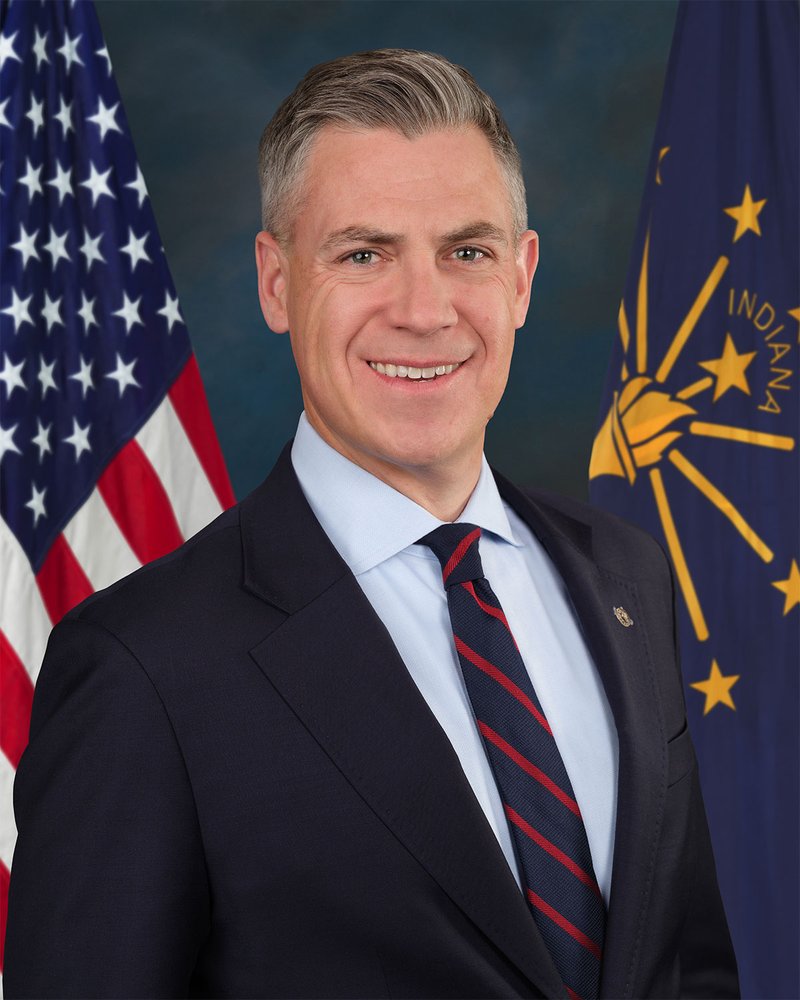
- Jul 13, 2026 — Sen. Jim Banks (R-Ind.) introduces the Citizenship Act of 2026, codifying the order's approach by defining children of “illegal aliens and birth tourists” as children of “invaders.”
- Aug 4, 2026 — The rehearing deadline passes with no petition filed; the Court's judgment goes final.
- Aug 6, 2026 — Trump signs two new executive actions: a narrower citizenship order targeting specific categories (children of people tied to foreign embassies, “alien enemies,” citizenship obtained through fraud) and an order aimed at “birth tourism” through visa restrictions.
- Aug 11, 2026 — The orders appear in the Federal Register the same day the Barbara coalition goes back to court in New Hampshire, arguing the class-wide injunction still protects those babies.
Three Readings of the Ruling
The same 6–3 opinion landed as three different stories, depending on where you sit.
The Left: vindication, with no trust that it's over
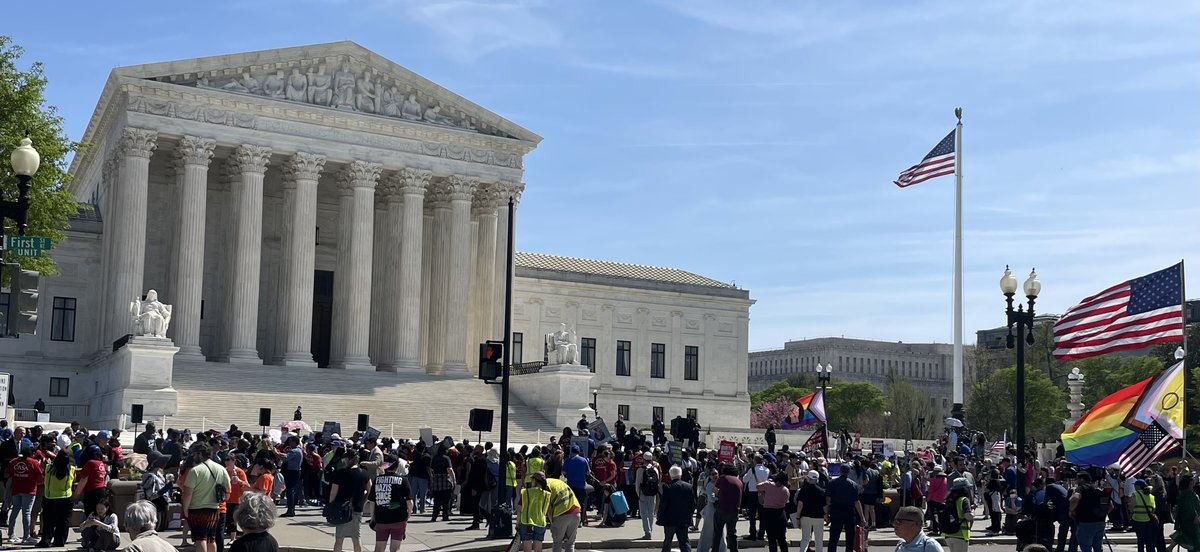

Immigrant-rights groups and Democrats treated the ruling as survival, not absolution. The ACLU called it “a major victory for immigrant families”; the Brennan Center called it “the right one amid an avalanche of Supreme Court opinions undermining our democracy.” The left's favorite detail is the majority's composition — Roberts and Barrett joining the liberals lets them frame the order as too lawless even for this Court. But their memory of CASA, which Democrats called a “vile betrayal” that threatened a “patchwork of rights,” shapes everything else: they read the August orders as defiance engineered to exploit CASA's fragmentation, which is why the same coalition was back in a New Hampshire courtroom within five days of the signing. Their core claim: birthright citizenship is a settled Reconstruction promise, and the administration's project is to achieve through paperwork what it cannot achieve through amendment.
The Center: the institution held, and the public agreed
The ruling itself was the center: a 6–3 coalition spanning the Court's middle, grounded in 1898 precedent and common-law history rather than policy preference. Even the dissenters conceded ground — Gorsuch doubted citizenship could be stripped from children of long-settled families, and Kavanaugh redirected the fight to Congress rather than blessing it. Public opinion was already there: Ipsos found 53–54% of Americans opposed ending birthright citizenship through 2025, and a Reuters/Ipsos poll taken before the decision put opposition at 64%. And in a term that left both parties annoyed at the Court — conservatives over Barbara, liberals over agency-firing rulings — centrists saw what an institution answerable to no faction looks like. The center's real worry is practical: a patchwork of recognition rules at hospital windows, passport offices, and the Social Security Administration if the narrower August orders ever take effect.
The Right: a loss accepted as a roadmap
.jpg)
Conservatives split between anger at the outcome and genuine optimism about the path the ruling drew. Trump called the decision “absolutely insane,” claimed billboards in Mexico advertise “BIRTHRIGHT CITIZENSHIP” with “Deliveries starting at $4,000,” and vowed a rehearing that was never filed. But his fuller statement contained the pivot: “too bad for our Country, but we can easily make it up in Congress through Legislation.” The strategic right read Kavanaugh's solo concurrence as an engraved invitation: five justices settled the executive question, but no majority foreclosed a statutory one. Sen. Banks moved within two weeks, explicitly marketing his Citizenship Act of 2026 as “a page from the Kavanaugh playbook,” and conservative commentary now treats birthright citizenship as “a litmus test for potential high court nominees.” Their core claim: “subject to the jurisdiction thereof” was never meant to reward unlawful entry or birth tourism, the 1866 Congress never imagined this case, and elected branches — not an 1868 clause read expansively — should decide who joins the national community. After thirty years of failed bills and amendment drives, they count a merits ruling, three detailed originalist dissents, and a live statutory theory as movement, not failure.

Where the three genuinely diverge: the left sees defiance of a settled ruling; the right sees compliance with the letter of Barbara through channels the Court itself opened; the center sees an institution that held, a public that agreed, and a paperwork nightmare brewing if round two ever takes effect.
What Happens Next
Nothing has changed for anyone born today: babies born in the United States are citizens under current law, full stop. Three things decide what comes next. First, whether a court freezes the new August orders before agencies act on them — and whether CASA makes that harder than it was in 2025. Second, the agency guidance due in early September, which will show how the new rules would actually be applied at the hospital window and the passport office. Third, whether the Banks bill or something like it can move through Congress — and if it does, whether the justices who needed six votes to stop an executive order will find five to stop a statute. The coalition that beat EO 14160 is already back in court in New Hampshire, arguing the Fourteenth Amendment “is not subject to executive (or legislative) revision.”
Sources
- Supreme Court — Trump v. Barbara, No. 25-365 (opinion, PDF)
- JURIST — Supreme Court upholds birthright citizenship (Jun 30, 2026)
- ACLU — reaction to the ruling
- Brennan Center for Justice — reaction to the ruling
- ACLU of New Hampshire — Aug 11 motion and case history of Barbara v. Trump
- League of Women Voters — Washington v. Trump litigation tracker
- Associated Press — First Circuit ruling (Oct 3, 2025)
- SCOTUSblog — the August 2026 executive orders
- Sen. Jim Banks — “a page from the Kavanaugh playbook”
- Seattle Times / Bloomberg — Trump's rehearing vow (Jul 8, 2026)
- Financial Express — rehearing deadline passes, judgment final (Aug 4, 2026)
- Ipsos — majority of Americans oppose ending birthright citizenship
- NPR — public opinion ahead of oral argument (Mar 30, 2026)
- Congressional Research Service — Trump v. Barbara preview
Image credits: Supreme Court at dusk — Joe Ravi, CC BY-SA 3.0; argument-day demonstrators — Melina Kolburn, CC BY-SA 4.0; January 2025 signing ceremony — Joint Congressional Committee on Inaugural Ceremonies, public domain; Sen. Jim Banks — U.S. Senate, public domain; Wong Kim Ark — public domain. All via Wikimedia Commons.
Discussion (0)
Join the discussion. Pick a name and your party — that’s the whole signup. Comments are color-coded: Democrat Independent Republican. No links, no slurs — disagree like a citizen.
No comments yet — be the first.
Comments are the sole responsibility of their authors and do not reflect the views of CommonHouseParty.org. Party labels are self-declared and unverified — they describe what a commenter chose at signup, nothing more. Accounts are name-and-party only, so identity cannot be guaranteed. We may remove comments that contain links, slurs, personal attacks, or private information, and repeat abuse may be blocked. We log the IP address of every signup and comment for abuse prevention and moderation; these logs are not published. By posting, you grant us permission to display your comment on this page.